Emerald Lake

Avoiding visitors to Emerald Lake in Canada

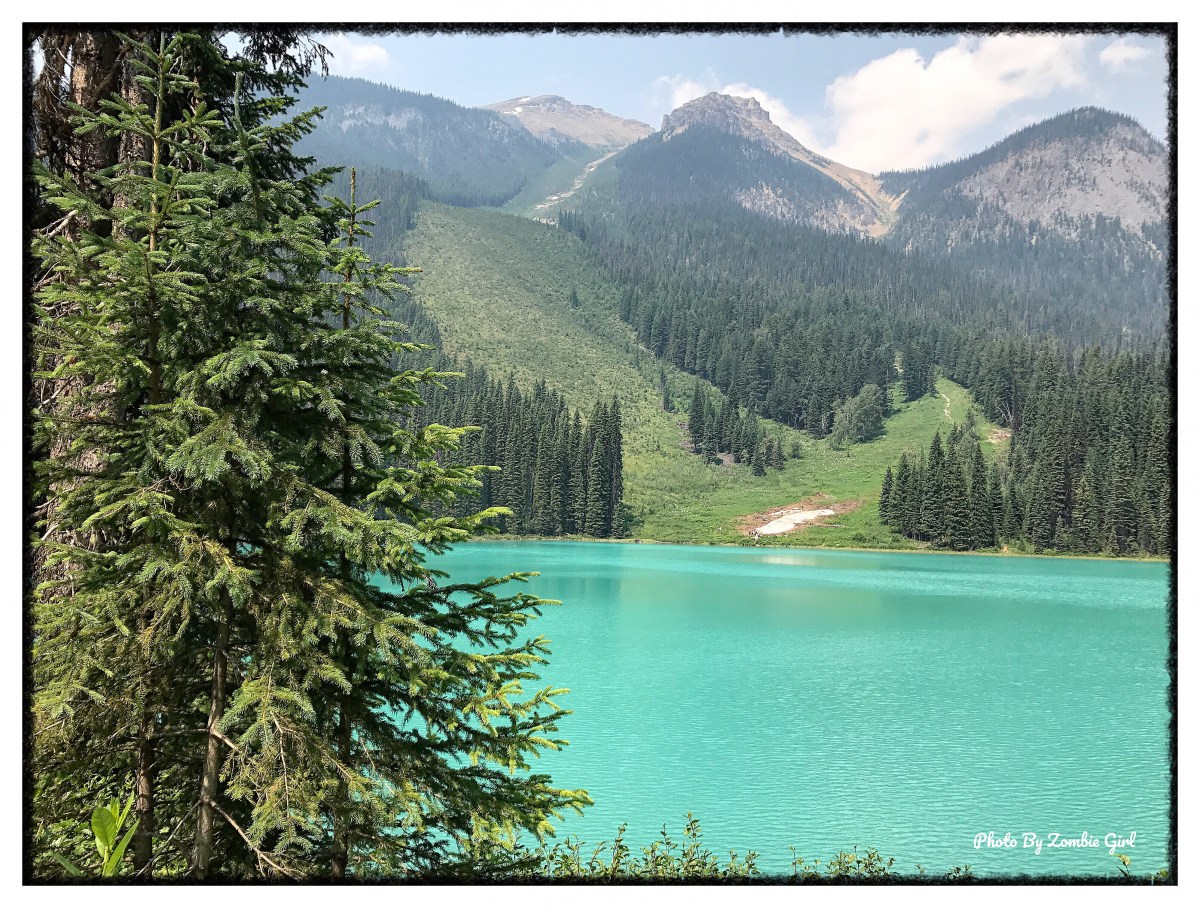
It’s in all of the travel pictures – stunning, calm, serene emerald waters, but what is Emerald Lake really like?

On our road trip around parts of Canada, we took some time to visit Emerald Lake as a stop off en route towards our next location.
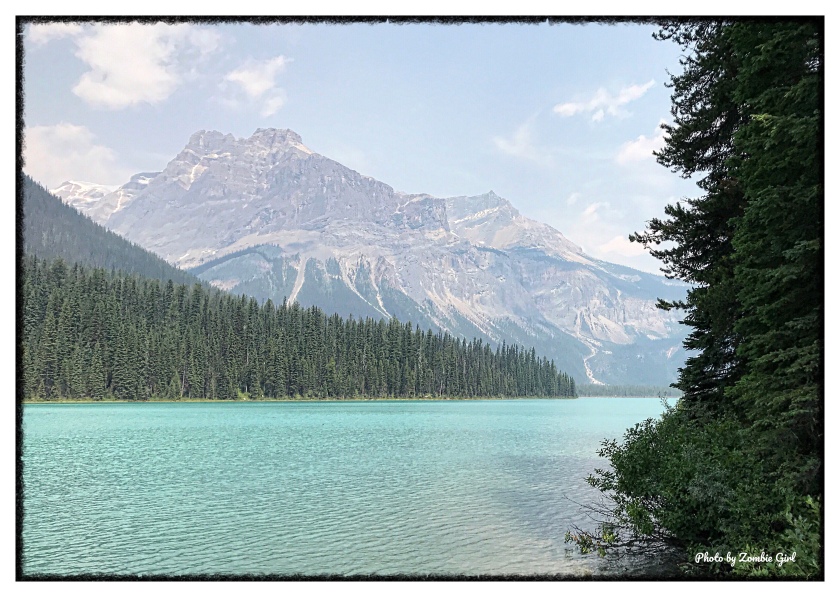
The view from the path at Emerald Lake

The first thing that struck us about this place was the different approach it had taken towards visitors to the lake. Many of the other places we had stopped at were full of cars, visitors and camping vans, parked up as close as possible to the edge of the water. Whilst this is great for getting a viewing spot, it’s not so great for trying to find a calm, quiet place to absorb the beauty of the view. Some of the places we visited were busier than their town centres!

Emerald Lake differed in this respect, as cars were not allowed over the small wooden bridge towards the accommodation. Instead, a car park and shuttle bus was provided to support people too and from the cabins. This resulted in the lake being a little less crowded – not that it wasn’t busy (it certainly was), but it wasn’t anywhere near as bad as some of the places we visited (Lake Louise we’re looking at you!).
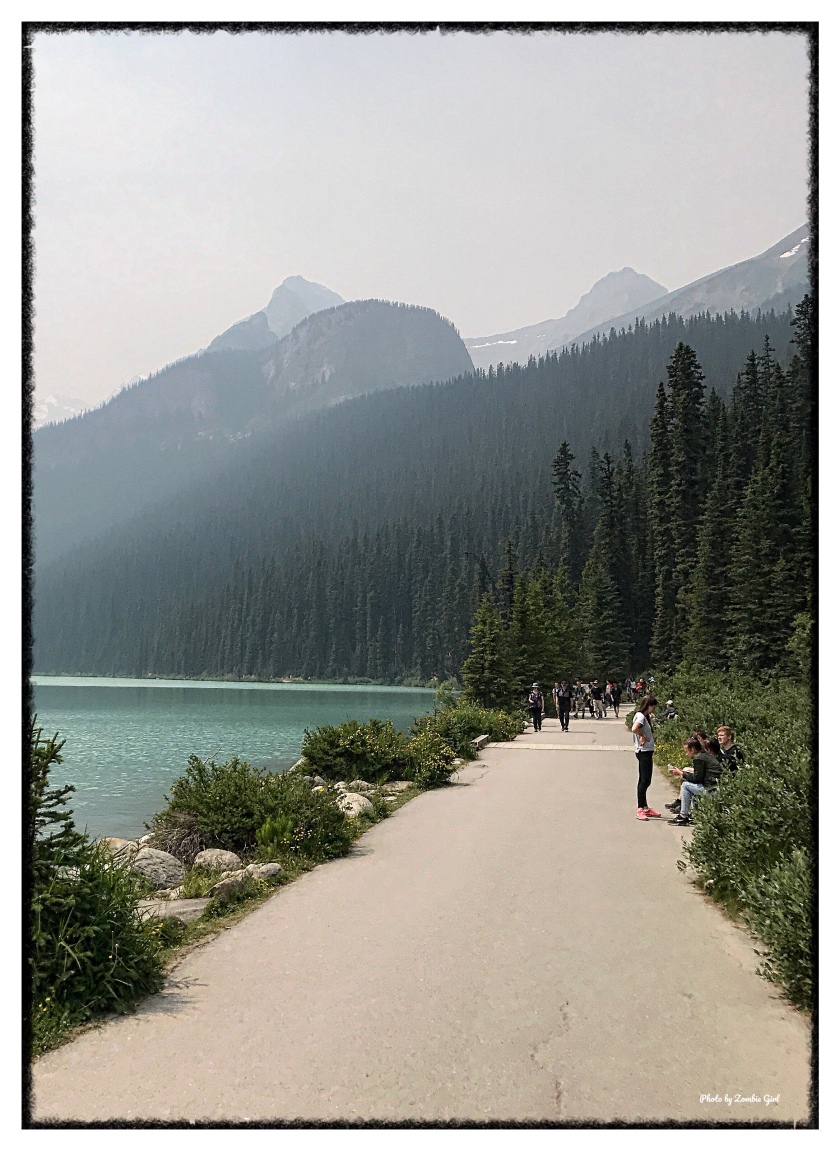
Not too busy along the shore of the lake...

The trip over the little bridge was also quite exciting, it made the lake feel a little more hidden and cut off from the rest of the world.
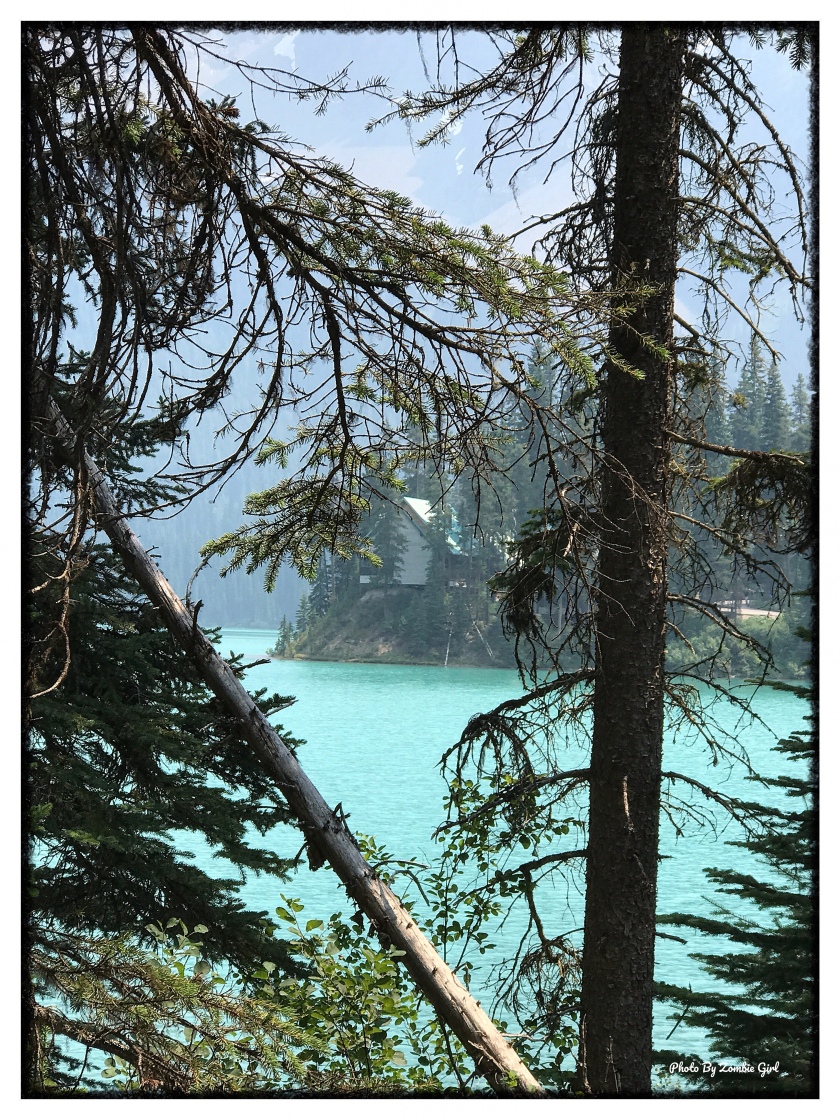
The cabins felt like little hide-aways set in stunning scenery

We were staying in one of the cabins alongside the lake and they were beautiful! Looking out of the window, past the balcony (yes we had a little balcony!), the colours of the lake were so vivid, even from a distance. The rooms were basic but fairly spacious and included a little log fire which would be lovely in colder weather. They were beautifully designed to blend in with the blue skies and green waters.
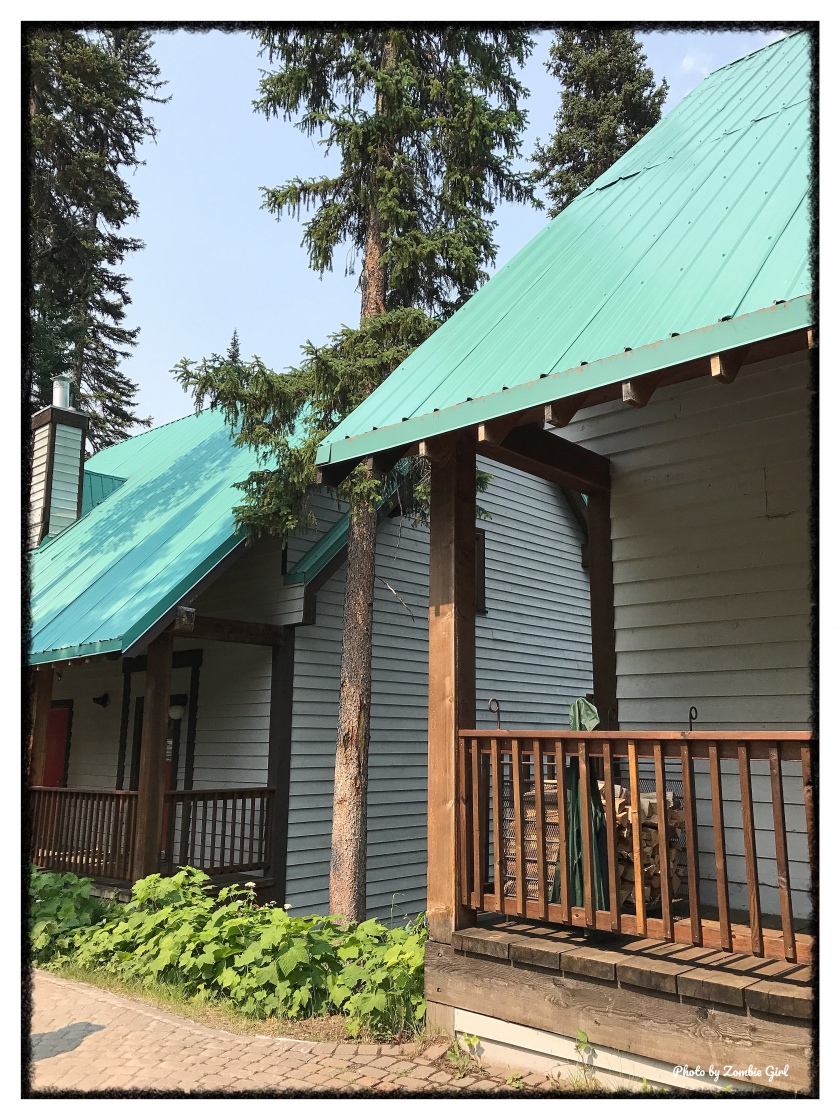
The main lodge was a great place to hang out in the evenings – a mixture of pool, beer, TV and music made sure that we were all well entertained (one night a little girl jumped on the piano and she was incredible!).

The path around the lake is the jewel in the crown when visiting Emerald Lake. We only did the lake circuit (you can head up to the basin for more stunning views) but it was one of the most memorable walks of our trip. The lake trail is around 5km and is a fairly easy walk in most places – although there are some muddy, forest parts which would be challenging for someone with accessibility needs.
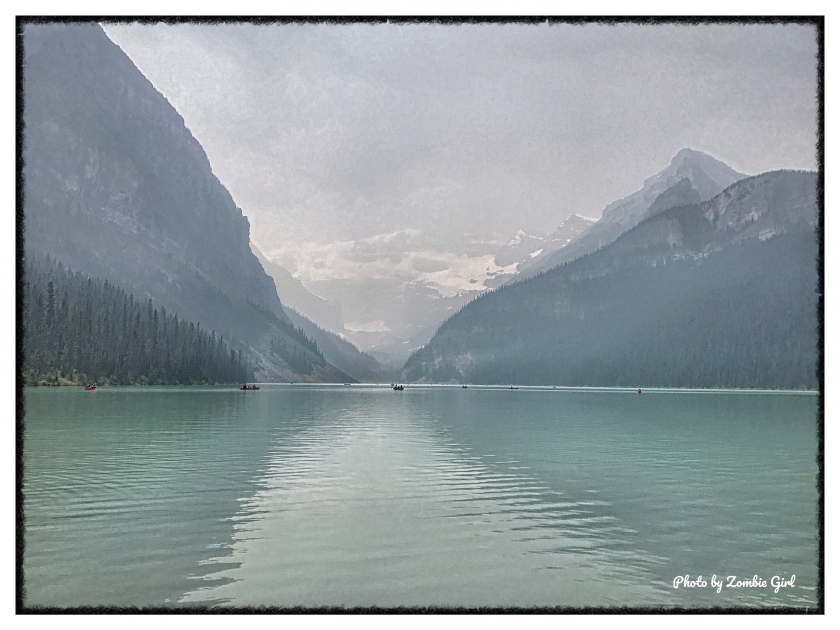
The last of the canoes on the lake

The start of the path takes you out on to a gravel path and as soon as you get past the first couple of yards, most of the visitors to Emerald Lake fade away. We only saw one or two other people for the rest of the walk – this was brilliant as the escape from the crowds left us feeling much more immersed in nature.

The first half of the walk keeps you close to the shoreline on a gravel path and gives a close-up view of the path the glacier follows as it melts down to the lake. Whilst making our way around the lake, a fire helicopter made numerous visits, filling up the water bucket on the way to a nearby forest fire.
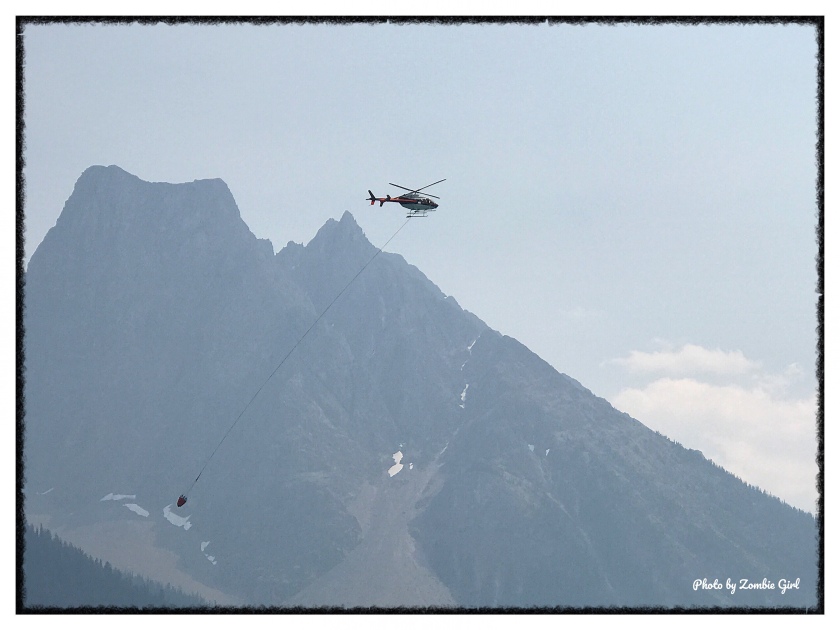
Helicopter filling up the water bucket to battle a nearby forest fire

The wooden bridge at the far end of the lake marked the start of the return journey. The path ran through a forest area for most of the walk home, giving very different views. This was my favourite part of the walk as it was fairly dense and almost had a jungle-like feel to it.
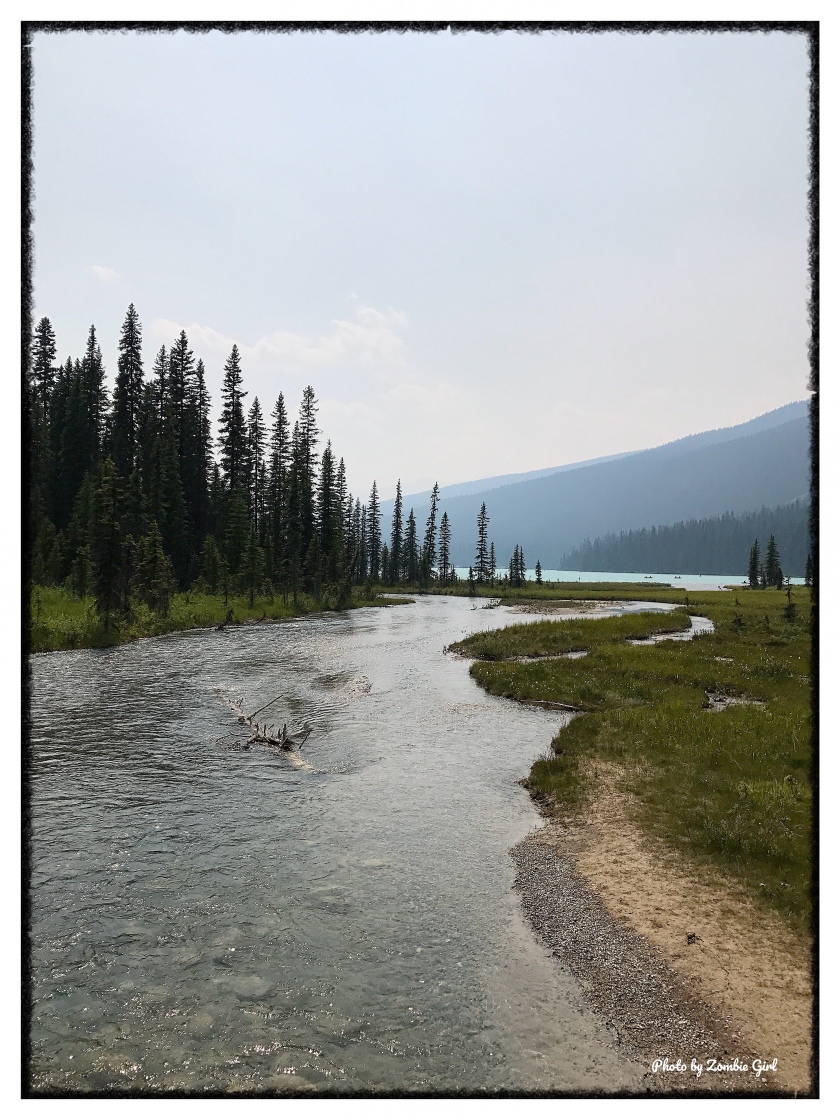
Part of the lake trail at Emerald Lake

Staying on the lake is an excellent idea if you want to grab some photos that don’t include 20 other visitors. Once everyone goes home, you get a much more natural experience of the environment.

Evenings by the lake were beautiful, particularly once most day visitors had gone home. We were lucky enough to find a pier without anyone around and sat looking out on to the lake in silence, admiring the colours and stillness in the early evening.
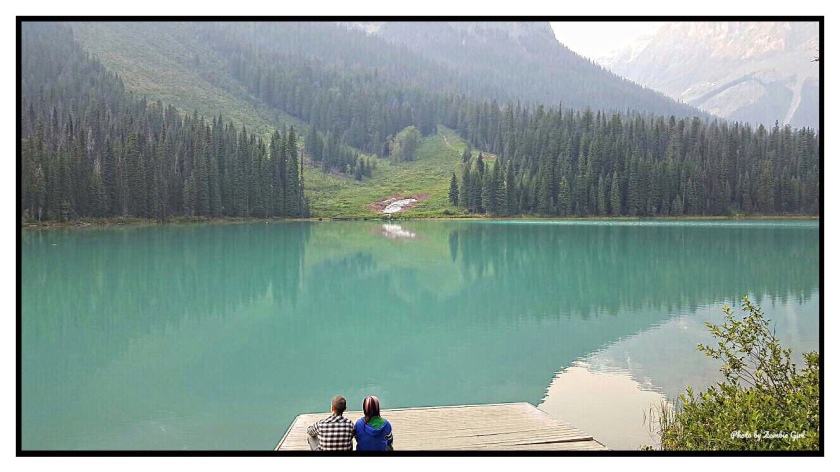
Zombie Girl and Wandering Beeb at Emerald Lake

When the place you discover by accident becomes one of the most beautiful places you have visited: Tioga Pass / Tenaya Lake

Most of you know by now that Yosemite is my favourite place in the world (so far!). You can read our posts on Mirror Lake and Camping for some background on our trips. I’m working my way up to a big post on the Half Dome hike – there is so much to share on this topic that it has been in progress for a while!

Around every corner is a stunning new view and the way the park has retained its ‘wildness’ just adds to its allure. Even after a couple of visits to the park, we have still found something new each time.

We just had to pull in to the side of the road for this view!

On our last trip, we were leaving Yosemite by a different exit, crossing Tioga Pass to make our way towards Death Valley. We had passed over Tioga Pass before, but we had done it at 2am in the thickness of night and therefore missed the views. This time, we were leaving Yosemite in the early morning and had enough light to see all of the sights on offer.

Tioga Pass is the highest highway pass in California and the Sierra Nevada. Due to its height, it’s usually the last road to open in summer and the first road to close in winter due to the ice and snow. On the journey, our ears were soon popping and the first time we made the trip, our bag of crisps burst open due to the altitude pressure: making us pull the car over, half in shock, half grateful that it wasn’t the gas canister for the camping stove!

The lake was like a perfect piece of paradise - we didn’t want to leave!

On this trip in the daylight, the trip probably took us twice as long as we stopped every ten minutes or so to pull over and admire the surroundings.

One place in particular really captured our attention: Tenaya Lake. Located at an elevation of 8,150 feet, this alpine lake is incredible. As we drove towards it in the car, both Wandering Beeb and I were lost for words, with “wow” being the only thing we had to say.

We weren’t expecting to see this glacial lake on our route through from Yosemite to Death Valley

Set back from the road, the little sandy beach and picnic table framed the water perfectly. The lake was formed by a glacier and the cliffs in the background stood out against the blue of the waters.

We didn’t know the lake was there, we hadn’t read any reviews and we certainly hadn’t built our route around visiting the lake. This was one of those occasions where going with the flow and meandering to our next destination had paid off, revealing a view we’d never intended to see and one that never left our minds.

What a difference a month makes

How Mirror Lake in Yosemite Changes in Just Two Months

We often struggle with picking where to go on our holidays. Holiday time is so precious and if you don’t get that many days off, you have to make the most of them when you do. So we usually spend ages looking at where to go and what to see when we get there.

Often the ‘when’ of our trips can be pretty set in advance – usually when the flight prices are cheaper or working around particular seasons (e.g. avoiding rainy seasons). One thing that it’s easy to forget to consider is the differences that a couple of weeks can make to your experience of a destination.

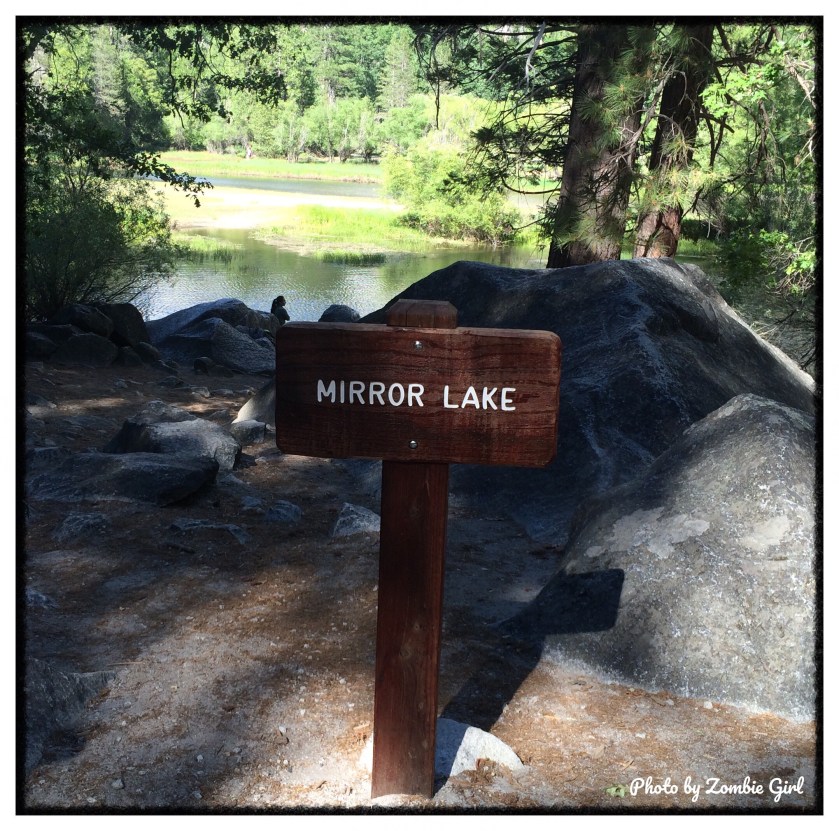
A good example of this is our trip to Mirror Lake in Yosemite. We’ve been there on a couple of occasions but the last time we visited, we went slightly earlier in the year – there wasn’t too much of a difference, we are talking a visit in early June rather than late July. The difference in scenery, however, was astounding.
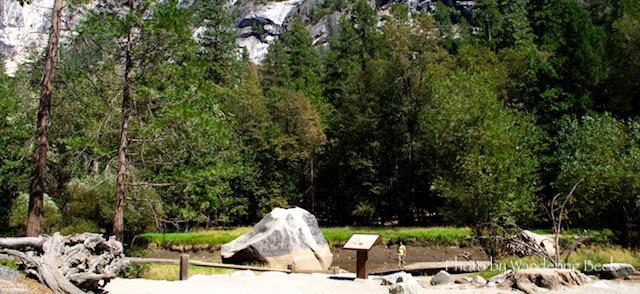
ML1

This is Wandering Beeb’s photo of Mirror Lake, or more accurately, Mirror Meadow on our first trip. Green lush grass and trees with lots of boulders and sand filled the valley.

ML 3

The visit in late July saw stunning scenery, the centre of which was a field, surrounded by Yosemite’s recognisable granite cliffs. It was a lush setting, with huge boulders dotted throughout the area and sand drifts marking the uneven ground. Mirror Lake (or Mirror Meadow as it’s sometimes known due to the lack of water) is around a 1-3 hour round-trip, starting at shuttle stop number 17. The lake is a hangover from the glacial lake which once filled most of Yosemite Valley, standing at 4000ft elevation. Standing in the middle of the meadow, the cliffs surrounded us, building cut-outs in the blue sky.

ML2

Jumping forward to our visit to the same spot in early June a couple of years later and the place was unrecognisable in comparison! The same granite cliff faces surrounded us but this time, there was no meadow to stand in. Instead we stood on the edge of a serene lake, silent and glass-like. It was hard to believe that the small number of weeks had made such a difference.

ML5

Mirror Lake in early June – the water was full and still, creating the perfect reflection. We has stood here a few years earlier in the July when it was a dry meadow.

The still lake reflecting the granite cliffs. It was dizzying to look down on the reflection without seeing any disturbance in the water.

The trail around the lake is a really nice walk, lined with little cairns. These piles of balanced rock had filled one part of the trail, creating an interesting spectacle. Cairns have been used throughout history for a range of different reasons, often marking buried resources, graves or trailheads. The ones at Mirror Lake don’t seem to serve this purpose and raise an interesting debate on how people view them. Some say they see them as a temporary art piece, an example of humans making their mark in an environmentally friendly(ish) way. Others say they are a form of graffiti, disrupting natural placement of stones and making a mark on nature that shouldn’t be there. Little stone cairns dotted around the trail at Mirror Lake in Yosemite. Historically used to make trail heads, resources or burial sites, these ones don’t seem to hold any purpose. Some say these are an eyesore, a type of graffiti, others see them as temporary art work.

Little stone cairns dotted around the trail at Mirror Lake in Yosemite. Historically used to make trail heads, resources or burial sites, these ones don’t seem to hold any purpose. Some say these are an eyesore, a type of graffiti, others see them as temporary art work.

Much less organised than the cairns were the huge rocks dotted around the lake. Standing on one of the larger boulders, the stillness of the water perfectly reflected Half Dome and we quickly set down our day packs to whip out our cameras to capture the image. The dual image of the rocks above us and their inverted view below was dizzying but beautiful, the images we captured failing to do it justice.

Wandering Beeb at Mirror Lake, silhouetted against the huge granite cliffs of Yosemite.

ML4

Have you been to Mirror Lake? When is the best time of year to visit? What’s your take on the cairns – are they temporary art or graffiti?