The Beach

The UK is in the middle of a heatwave! As we live in the north, it’s fairly rare to get a summer with this much sun! I can’t believe just how warm and dry it has been over the past few weeks. Usually we have to dress for the weather in summer, which translates to taking out coats and brollies ‘just in case’ it rains!
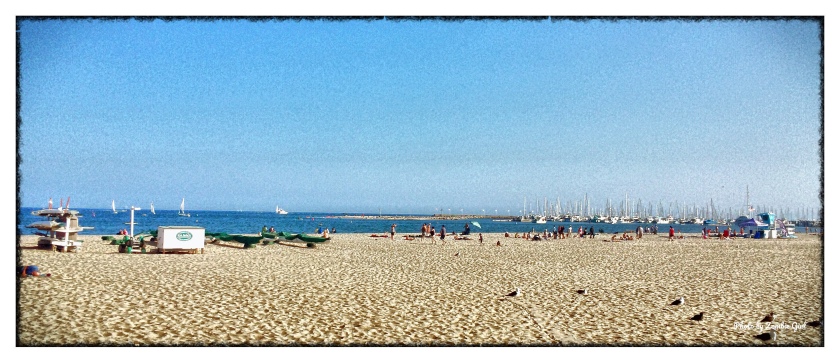
As expected, with the beautiful weather arriving just in time for school holidays, everyone heads to the beach to soak up some rays. Pictures of crowded beaches, with people sunbathing in every available gap in the sand have filled our news feeds recently. It made me think about what I like about going to the beach and I have to say; it’s not about the weather!
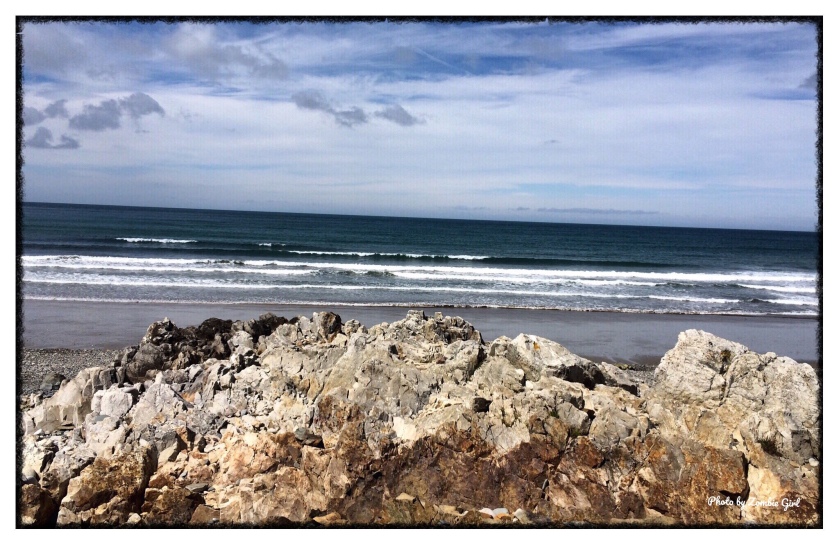
Firstly, you have to understand that I love the heat. I am a sun worshipper and I can feel cold with a jumper, heating and a blanket; proving that I am not a fan of the winter. However: visiting a beach in the middle of a heatwave is the worst thing that I can imagine! Not only would it be full of lots of people (which as an introvert, I probably wouldn’t be thrilled with) but it takes away some of the power of being on a beach.
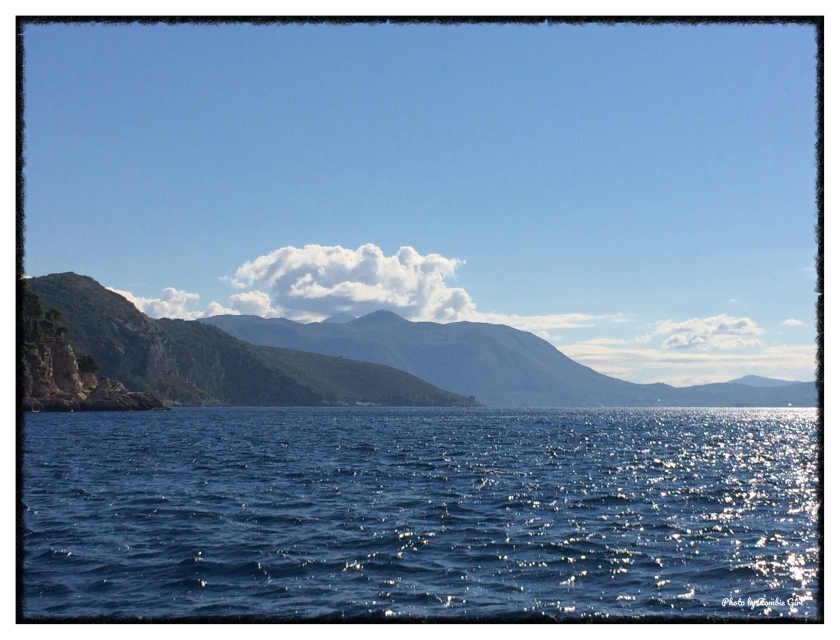
To me, a beach is a gateway, filled with possibilities; you can look out across the horizon and know that a different place lies across the water. Even though you may not be able to see land, you know that adventure is waiting, travelling across the sea will take you to adventures in another country, with excitingly different cultures and new friends you haven’t yet met.

The proximity and constant movement of the tide helps me to think and there is nothing better than seeing the stretched expanse of beach lay in front of you – even if in reality, a dodgy fairground is a mile down the road.
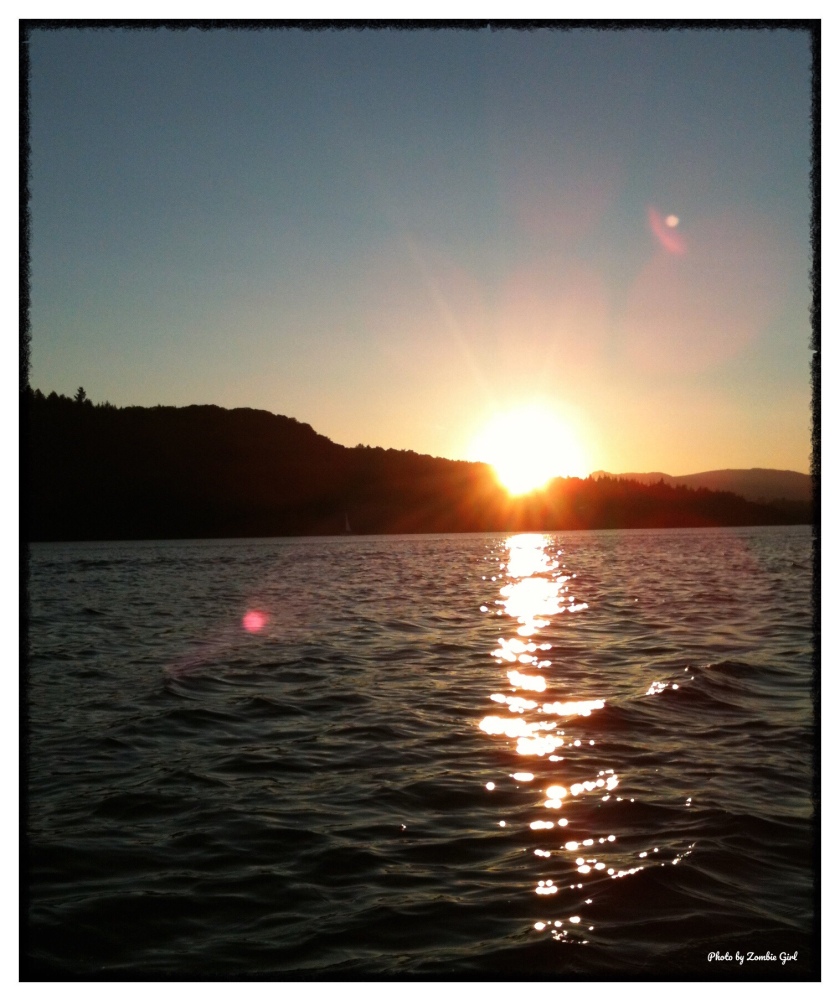
Looking at the pictures of people making their way down to the beach on hot sunny days; crowded and loud, makes me think back to the times when I have walked down empty, squishy patches of sand, along the edge of the sea, whilst the wind whistles around my coat. I know which one I prefer.

Clearing Out the Cobwebs At Malham Cove

An hour and a half’s drive from Manchester led us to Malham, a small village with a huge rock cove and beautiful views.

Stocking up on Kendal Mint Cake and Snickers, we set off on the 8km round trip from the village to Malham Cove, stopping at Janet’s Foss and Gordale Scar on the way. Blessed with beautiful weather and just the right amount of breeze, it was a beautiful walk with a mix of fields, forest and cliffs to satisfy my adventurous nature.

Janet’s Foss is a small waterfall, which pours into a lush green forest-like setting. Legend has it that a small fairy lives in the cave beyond the waterfall – I thought that Janet wasn’t a very fairy-like name but who am I to judge!? The forest on the way to the Foss was dense and created a mysterious atmosphere, with our conversations echoing around us.

A short trip up the trail led to Gordale Scar – a rocky, waterfall area which was mostly dried up, except for small rock pools and a light waterfall.

Two very brave guys were climbing the rock cliffs – one sensible guy with a rope and one less sensible guy who had a rope that wasn’t hooked up to anything! Very impressive to watch but not something I am brave enough to do! Still we spent some time amongst the lower cliff face, climbing through rock pools and scrambling up the cliff side to a small waterfall at the top.

Doubling back along the path, we followed the trail up to the top of Malham Cove. Here the broken rock stood tall, making crevices and stepping stone pathways reminiscent of an otherworldly terrain.

I’d started the day grumpy and frustrated with a lack of travel recently, however the fresh air and sense of movement really changed how I felt and by the time I was heading back down the cliff, my sense of adventure had returned.

The Colosseum, Rome

The Colosseum is easily one of the most recognisable landmarks in Italy. Outlined against blue skies, it looms over Piazza del Colossel, imposing and inviting in equal measures. Home to gladiatorial games, the Colosseum’s history is steeped in blood.

The amphitheater is a huge structure, capable of holding around 50,000 – 87,000 people and widely known for displays of public combat and slaughter of gladiators and animals for public entertainment. It’s one of those places that you absolutely have to visit if you are in Rome and Wandering Beeb’s love of all things resembling Roman ruins meant that it was one of the first places on our hit list when we arrived in Italy.

We had booked on to the evening tour in advance and paid the extra fee to take a trip down to the bottom floors, which aren’t always included on the standard visit. It’s well worth booking ahead as you get to skip some of the line (which can be fairly long) and are guaranteed a place on the limited evening tour.

One of the lower floors of the Colosseum

Inside, the structure feels bigger than its outside appearance and it’s much easier to make comparisons to more modern arenas, imagining crowds of people gathered to watch the latest entertainment.

From the bottom of the arena floor, looking up created a feeling of dizziness as each layer of the structure twisted away towards the sky. The layers underneath the main performance area were a warren of corridors, lined by the ruins of the cages where fighters and animals were held until their time on the arena floor. It was a very different view from the top of the arena, with huge arches creating a stunning silhouette.

The underground section for fighters and animals at the Colosseum

We learned on the tour that they flooded the arena on occasion to stage boat shows and battles – something I wasn’t aware of. It must have been an incredible site to watch – imagine that happening in an arena in today’s time – it would take huge mechanics to make that happen!

The tour was well organised and gave us plenty of time to wander round the ruins. Standing on the top floor, we could see over to the ruins of the Roman fort, giving a helicopter view of the site.

Inside the Colosseum

Today, the arena is sometimes used for concerts and opera performances. Unfortunately, on the day we went, there were no performances taking place, although it’s something that we’d definitely go back to see.

Tickets into the Colosseum can be booked here. An entrance ticket and the underground tour usually cost around £25 per person.

The Terracotta Army

Every now and again, there is an opportunity to see something spectacular closer to home than you would expect. For 2000 years, the army stood underground in China, protecting the First Emperor in the afterlife. Now, parts of the army are on tour across museum exhibits and we went along to Liverpool to catch a glimpse.

Firstly, I have to say that my expectations were a little too high. In my head, I’d imagined a room full of the army statues, all lined up and impressive. Obviously this wasn’t the case and the actual exhibit only contained about six of the statues. After getting over my disappointment and unrealistic expectations (that took a while!) I dived into the exhibit to look at the statues.

Amazingly, each statue is different, with unique facial features and clothing. Chariots and horses were also part of the life-size army, each recreated as accurately as possible. I was amazed to see small terracotta animals too – pigs, dogs and cats – all part of the army.

Seeing the figures from the army is something that doesn’t happen all the time – in fact it has been 10 years since the last time the army visited the U.K.

Wandering round the exhibit and learning more about China’s history made me want to add China to my list for future travel. With such an interesting history and culture, I’d love to experience it first hand.

Tickets are available for the exhibition here.